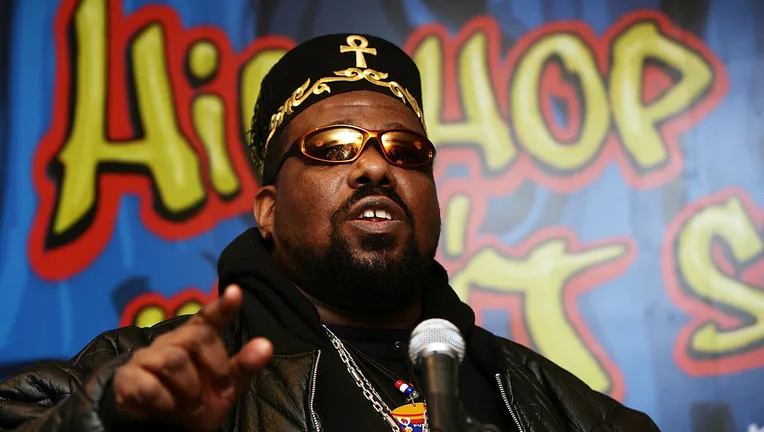
Afrika Bambaataa: The Architect of Hip-Hop Culture and His Lasting Impact
In the ever-evolving story of hip-hop, few names carry the weight, mystery, and foundational importance of Afrika Bambaataa. While mainstream narratives often spotlight commercial success and chart dominance, the true roots of the culture trace back to visionaries who saw hip-hop not just as music—but as a movement. Bambaataa stands firmly among those architects, helping transform a local Bronx phenomenon into a global cultural force.
The Birth of a Cultural Movement
Emerging from the Bronx in the 1970s, Bambaataa was more than a DJ—he was a strategist of culture. At a time when New York City streets were marked by gang activity and social unrest, he reimagined what unity could look like through music, art, and community. That vision led to the founding of the Universal Zulu Nation, a collective rooted in peace, knowledge, unity, and having fun.
The Zulu Nation wasn’t just an organization—it was a framework. It gave structure to what would become the four pillars of hip-hop: DJing, MCing, breakdancing, and graffiti. More importantly, it offered young people an alternative identity—one grounded in creativity rather than conflict.
Sound of the Future
If hip-hop had a sonic turning point, it came with Bambaataa’s genre-defying approach to music. While many DJs of his era focused strictly on funk and soul breaks, Bambaataa expanded the palette—pulling from electronic music, rock, and global rhythms.
His groundbreaking track Planet Rock fused hip-hop with electronic production inspired by Kraftwerk, creating a futuristic sound that would influence everything from electro-funk to modern EDM. The record didn’t just move crowds—it shifted the trajectory of music itself.
That willingness to experiment laid the groundwork for artists across generations. From the sonic risks of Missy Elliott to the genre-blending of Kanye West, echoes of Bambaataa’s influence can still be heard.
Beyond the Turntables
Bambaataa’s impact wasn’t limited to music. He helped codify hip-hop as a culture with global reach. Through international tours and cultural exchanges, he introduced hip-hop to audiences across Europe, Asia, and Africa—long before globalization became a buzzword.
His work helped establish hip-hop as a universal language—one capable of transcending borders, politics, and socioeconomic barriers. Today, whether it’s breakdancers in Paris, graffiti artists in São Paulo, or DJs in Tokyo, the blueprint traces back to the foundation he helped build.
A Complicated Legacy
Like many pioneers, Bambaataa’s legacy is not without controversy. Allegations and criticisms over the years have sparked difficult conversations within the hip-hop community about accountability, history, and how we honor cultural architects.
For a generation that grew up on his teachings, the challenge has been reconciling the man with the movement. It’s a reminder that hip-hop, like any culture, must evolve—not just creatively, but ethically.
The Blueprint That Still Lives
Despite the complexities, the cultural infrastructure Bambaataa helped establish remains intact. The idea that hip-hop is more than entertainment—that it’s a tool for empowerment, resistance, and expression—continues to shape artists and audiences worldwide.
From independent creators building platforms without major label backing to global festivals celebrating street culture, the DNA of Bambaataa’s vision is everywhere.
Final Word
Hip-hop didn’t become a global force by accident. It was built—block by block, beat by beat—by individuals who saw beyond their circumstances. Afrika Bambaataa was one of those individuals.
His story is not just about music. It’s about the power of culture to redefine identity, redirect energy, and reshape the world.
And whether through the pulse of a breakbeat or the unity of a movement, his influence still resonates—loud, undeniable, and forever embedded in the foundation of hip-hop culture.
About The Author