Why Old School Rap & R&B Artists Were More Marketable in TV and Film Than Today’s Artists
Why Old School Rap & R&B Artists Were More Marketable in TV and Film Than Today’s Artists
There was a time when hip-hop and R&B artists didn’t just dominate the charts—they crossed over seamlessly into television and film. Figures like Will Smith, Queen Latifah, Ice Cube, and LL Cool J became household names not only because of their music, but because of their strong presence on screen. Compared to many of today’s artists, their transition into film and television felt natural, successful, and—most importantly—marketable.
So what made that era different?
1. Broader, More Relatable Branding
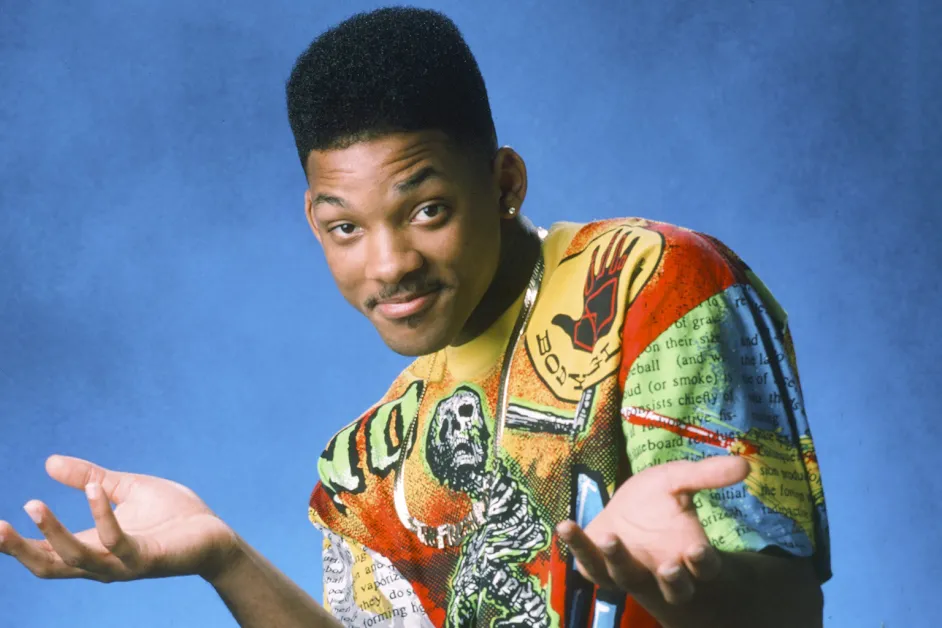
Old school artists were often packaged—and self-developed—as well-rounded entertainers. Will Smith is the perfect example: from The Fresh Prince of Bel-Air to blockbuster films, his image was clean, humorous, and relatable across demographics.
Similarly, Queen Latifah transitioned from conscious rap into roles that showcased authority, warmth, and comedic timing (Set It Off, Chicago). These artists were seen as safe investments—they could appeal to families, urban audiences, and mainstream viewers alike.
Today’s artists often build brands that are more niche, hyper-specific, or rooted in current trends, which can limit cross-platform appeal.
2. Less Oversaturation, More Star Power
In the ‘90s and early 2000s, fewer artists had the opportunity to break into mainstream media. That scarcity created event-level personalities. When Ice Cube starred in Friday, it wasn’t just a rapper acting—it was a cultural moment.
Contrast that with today’s landscape, where social media has created thousands of micro-celebrities. While visibility is higher, individual star power is diluted. Casting directors are less likely to hinge a major project on an artist whose audience may be fragmented or fleeting.
3. Authenticity That Translated to Storytelling
Old school rap and R&B artists often came from storytelling traditions rooted in real-life experiences—street narratives, social commentary, and personal struggle. This authenticity translated well into film.
Tupac Shakur delivered compelling performances in films like Juice and Poetic Justice because his on-screen presence felt genuine, not manufactured.
Many of today’s artists are still authentic—but their artistry is often tied more to vibe, aesthetic, or digital persona than to narrative depth, which can make acting transitions less impactful.
4. Development Through Traditional Media Pipelines
Artists in earlier eras often went through structured development: media training, acting coaching, sitcom roles, and gradual transitions into film.
LL Cool J didn’t jump straight into leading roles—he built credibility over time, eventually landing long-term success on shows like NCIS: Los Angeles.
Today, artists can become famous overnight via platforms like TikTok or Instagram, but that rapid rise often skips the development process needed to sustain a film or TV career.
5. Music Videos as Acting Boot Camps
Back in the day, music videos were cinematic and story-driven, often acting as informal acting reels. Artists had to perform characters, not just pose or flex.
Videos from artists like Mary J. Blige or Usher incorporated narrative arcs, emotional expression, and choreography that translated well to screen acting.
Modern music videos, while visually stunning, are often shorter, more stylized, and less narrative-driven—offering fewer opportunities to showcase acting ability.
6. Industry Gatekeeping (and Quality Control)
While gatekeeping had its downsides, it also meant that only the most versatile and prepared artists crossed into film and TV. Studios took fewer risks, but those risks were more calculated.
When Ice-T landed a role on Law & Order: Special Victims Unit, it was because he brought a believable presence that aligned with the role.
Today, the barrier to entry is lower—but so is the filter for who gets opportunities, leading to mixed results in performance quality.
7. Cultural Timing and the Rise of Hip-Hop
During the ‘90s and early 2000s, hip-hop was emerging into the mainstream. Hollywood saw it as fresh, exciting, and culturally relevant—and artists became ambassadors of that movement.
Now, hip-hop and R&B are already dominant. The “novelty factor” is gone, and studios are less likely to build projects around artists unless they bring something uniquely cinematic.
Final Thought
Old school rap and R&B artists weren’t just musicians—they were multi-dimensional entertainers developed in an era that valued longevity, storytelling, and crossover appeal. Today’s artists have more access and visibility than ever, but fewer are positioned—or prepared—to make the leap into film and television at the same level.
That doesn’t mean it can’t happen again—it just means the blueprint has changed.
About The Author